Field notes on Florida concrete
The Florida Polyurea Blog
Straight answers on the questions we actually get on driveways, garage floors and pool decks across the state — Florida's karst geology and settlement risk, how humidity and storm season attack concrete and coatings, and what a fair repair or install really costs before you sign anything.
What we write about
Two problems, one honest playbook
Most of what we publish here comes straight from calls we actually take — a homeowner in Pasco County who wants to know if a crack in the garage slab means a sinkhole or just normal settling, a property manager in Naples asking whether a pool deck coating will survive rainy season, a facilities director in Jacksonville trying to schedule a warehouse floor around a shutdown window. We write the answer once, in full, instead of repeating it on the phone every week.
The posts split into two clusters that mirror our two service lines. The first is concrete lifting and settlement — Florida's karst geology in Sinkhole Alley, how polyurethane injection compares to old-style mudjacking, and how long a lift actually holds once the crew leaves. The second is protective coatings — why humidity and UV break down a typical epoxy kit faster here than almost anywhere else in the country, and what actually needs to happen before, during and after hurricane season.
How to use this blog
Read it before you get a quote, not instead of one
Nothing here is a substitute for a real inspection — square footage, soil condition, existing coating history and site access all change the specific answer for your slab or floor. What these posts do is give you the vocabulary and the honest tradeoffs going in, so the first call with an estimator is a confirmation instead of a cold introduction to the material.
If you read one post before anything else, make it the sinkhole and slab-leveling guide below — it's the longest, most-requested piece we've written, and it covers the questions that come up on nearly every concrete-lifting call we take statewide, not just in the west-central counties.
Featured
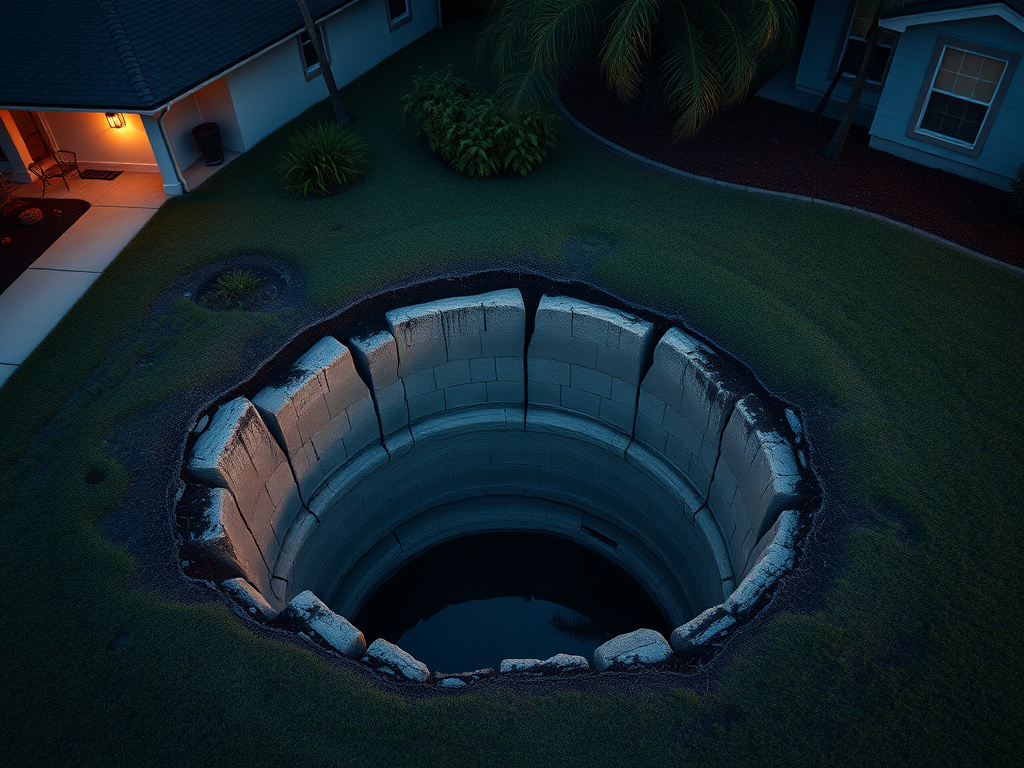
The Complete Florida Homeowner's Guide to Sinkholes, Sunken Concrete & Slab Leveling (2026)
Our flagship guide — Florida's karst geology explained in plain language, the 7 warning signs of settlement, how a real inspection tells a sinkhole from ordinary settling, and what polyurethane lifting actually costs.
Read the guide →More from the blog
Every post so far
New posts get added as the questions we field on the phone change with the seasons — expect more storm-season prep guides in the summer months and more cost and comparison guides heading into the winter dry season, when most Florida driveway and pool deck projects actually get scheduled.
Polyurea vs Epoxy Garage Floor Coatings: What Actually Survives Florida Humidity
Why moisture vapor, hot tires and coastal humidity break down a typical epoxy kit faster here than almost anywhere else — and what the chemistry gap with polyurea actually looks like on a real slab.
Read article →
How Long Does Polyurethane Concrete Lifting Last in Florida?
A look at how closed-cell polyurethane holds up under Florida's rainy season, sandy soils and high water table, and the handful of factors that decide whether a lift holds for years or needs a revisit.
Read article →
Hurricane Season Prep: Protecting Garage, Patio & Pool Deck Floors from Storm Damage
What wind-driven rain, standing water and pressure changes do to unprotected concrete during a Florida storm season, and the coating and drainage steps that keep a slab out of the repair queue afterward.
Read article →
HOA & Community Rules for Concrete Leveling and Floor Coatings in Florida
What most Florida HOA and community architectural guidelines actually regulate on driveways, walkways and pool decks, and how to get a concrete lifting or coating project approved without a delay.
Read article →Get a free inspection & quote
Tell us what's sinking, cracking or wearing out. We'll come back with a scoped, itemized number — no obligation.